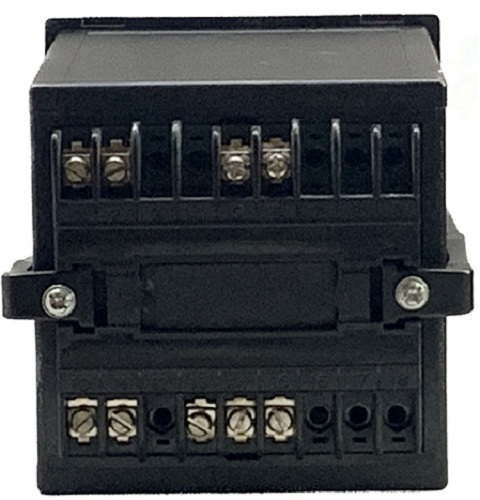
Conductivity Controller 1 Setpoint Manufacturer in Faridabad

Sale!

Original price was: ₹9,000.00.Current price is: ₹4,500.00.

- +
Guaranteed Safe Checkout

conductivity controller 1 setpoint for industrial EC/TDS monitoring, relay-based dosing control and panel automation. Manufactured at UMA Industries’ unit in Village Sunped, Ballabgarh, Faridabad, Haryana, India, with pan-India supply and technical support.

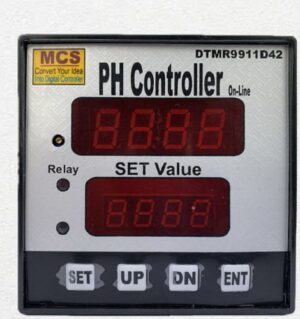
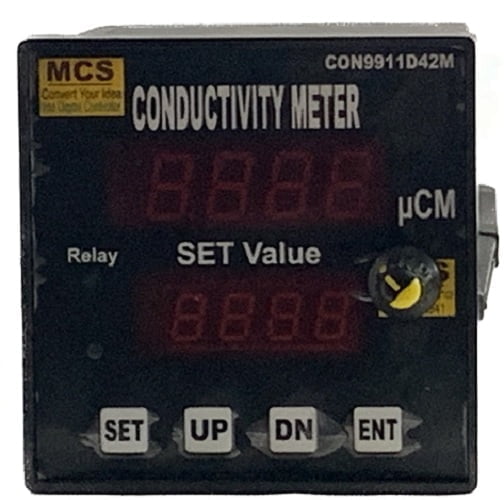
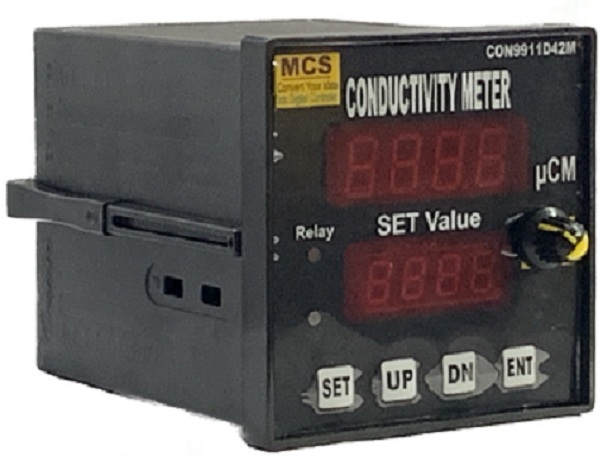
  • 4-digit red LED display for clear process viewing
  • Single-point relay operation for set-value control
  • Selectable conductivity/TDS operating use as per site requirement
  • 230 V AC ± 10%, 50 Hz single-phase power input
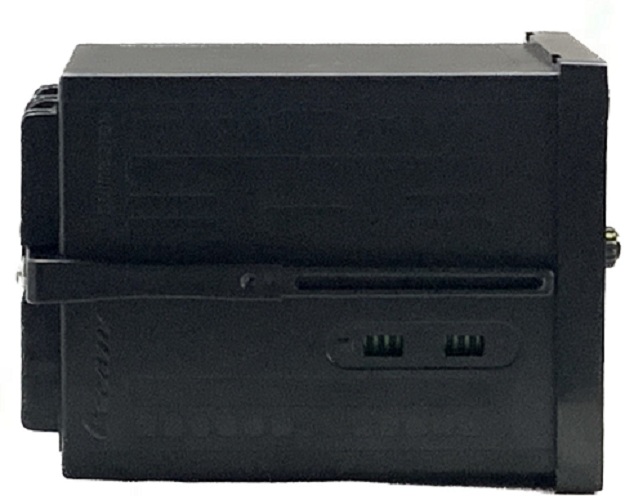
  • Compact 96 × 96 × 80 mm panel-mounted format; approx. 1 kg
  • Published website prices are company-confirmed

Product size, capacity, optional controls, accessories and dispatch mode may be finalized in quotation as per application.

UMA Industries manufactures and supplies conductivity controller 1 setpoint units for industrial EC monitoring, TDS-oriented process control and relay-based automation from Village Sunped, Ballabgarh, Faridabad, Haryana, India. Buyers usually choose this controller when they need one clear threshold for alarm, pump, valve or interlock action rather than a multi-output control package. It is a practical fit for panel builders, water-treatment teams, dosing-line operators and maintenance departments that want a compact, operator-friendly control instrument.

The page is intended for plant buyers who need a single-point controller with a visible display, straightforward setting logic and stable panel integration. UMA Industries also supplies and provides technical support to customers across India, so the same model can be considered for local plant work, distributor supply and multi-site procurement where a uniform control concept is preferred.

The published website price is company-confirmed. Final configuration choices such as installation arrangement, process matching, accessory selection and transport mode can be finalized during quotation, which keeps the buying process practical for project and replacement orders alike.

Applications of conductivity controller 1 setpoint

The conductivity controller 1 setpoint is used wherever a liquid’s conductivity or related process trend must be monitored and one relay output is enough to trigger action. In industrial practice, that often means switching a dosing pump, solenoid valve, buzzer or control interlock when the measured value crosses the chosen threshold. It suits plant utilities, water-treatment lines, rinse tanks, chemical blending points and laboratory-to-pilot transfer stations.

Because the controller is built around a single relay decision, it is best used in processes where the operating logic is simple and repeatable. For example, a plant may want an output when conductivity rises above an acceptable level, or when a value returns to a safer band after dosing. This makes the instrument useful for operators who need readable value tracking and a direct control response.

Where a facility already uses panel instrumentation for flow, humidity, counters or timed dosing, the controller can become part of a wider control cabinet. It is especially helpful in jobs where the process team wants one threshold and one relay instead of a more complex automation platform.

Why Choose conductivity controller 1 setpoint

In a typical line, the controller reads the process value from the connected sensing point and compares it with the user-set threshold. Once the threshold is reached, the relay state changes and the connected device responds. That simple logic helps reduce manual checking and supports consistent decision-making across shifts.

For project teams planning a new control panel, the conductivity controller 1 setpoint can be selected as a compact control element for routine EC/TDS-based actions. It is not meant to replace all instrumentation in a plant; rather, it is a focused controller for one process decision point.

Selection guidance before ordering

Before selecting the controller, define the process goal clearly. Decide whether the relay should act when the value rises above the target, falls below the target or remains in a preferred band around a process set value. The final wiring and operating logic should match the plant’s engineering practice so that operators can understand the behaviour without confusion.

It is also wise to confirm panel space, cable routing, sensor/probe compatibility and the intended field device that will be switched by the relay. If the site uses dosing automation, the threshold should be agreed by the process team before commissioning so that the controller behaves as expected on the first start-up.

Technical specifications and operating principle

Technical specifications

The source specification identifies a 4-digit red LED display, single-point relay operation, and a selectable conductivity range structure. The controller uses a 230 V AC ± 10%, 50 Hz single-phase supply and a compact panel-mounted form factor of 96 × 96 × 80 mm with approximate weight of 1 kg. Those details make it suitable for control cabinets and instrument panels where space is limited but readable indication is still important.

The conductivity controller 1 setpoint is intended for industrial use where a single threshold and a simple display are preferred. It gives the operator a direct view of process value while keeping the output logic easy to understand. Published price details on the website are company-confirmed, and remaining configuration points may be finalized in quotation.

Operating principle

The controller compares the measured process value with the user-entered setting. When the value crosses the selected point, the relay output changes state and the connected device responds. This is the core advantage of a single-setpoint controller: the operator can establish one clear process boundary and let the relay perform the required action consistently.

The source copy describes SET-button-based adjustment for choosing the operating mode and entering the relay threshold, followed by saving through the same setting flow. In practical terms, this means the conductivity controller 1 setpoint is suitable for operators who want direct push-button setup rather than layered menus.

What the display tells the operator

The 4-digit display provides immediate process visibility, which is useful during normal production monitoring and shift handover. A clear display helps operators confirm whether the process is approaching the set point, already beyond it or returning toward the desired range. That visibility supports faster response in dosing and utility systems.

Installation, calibration and operating procedure

Pre-installation checks

Before mounting the controller, confirm that the panel opening, supply voltage and wiring plan match the site design. Verify that the controller will be installed in a cabinet suitable for industrial service and away from unnecessary heat, moisture or severe vibration. Good cable routing and proper earthing practice are essential for stable operation.

The conductivity controller 1 setpoint should be paired with the correct field sensing arrangement and the relay load should be matched to the connected device. If the controller will switch a pump, valve or alarm, the installer should confirm that the load and control logic are aligned before energizing the system.

Installation checklist for conductivity controller 1 setpoint

  • Confirm the panel cut-out and mounting space before fixing the unit.
  • Check the supply line for the required 230 V AC ± 10%, 50 Hz single-phase input.
  • Plan clean cable entry, secure terminations and proper earthing.
  • Keep the controller away from excessive heat, liquid splashes and strong electrical noise.

Commissioning and setpoint entry

After mechanical mounting and wiring, power the unit and verify that the display is active. Enter the operating threshold using the front-panel setting method described in the source copy and save the value before ending the setup process. During commissioning, confirm that the relay action matches the intended process direction and the connected equipment responds correctly.

For initial start-up, it is sensible to test the response slowly and watch the field device rather than relying only on the display. That approach helps the site engineer confirm that the threshold, relay action and process behaviour are working together as planned.

Start-up checklist for conductivity controller 1 setpoint

  • Confirm display visibility and basic power-up condition.
  • Enter the process threshold and save the setting properly.
  • Test the relay response with the intended field device connected.
  • Verify that the operator understands the set-value logic before handover.

Calibration and routine verification

The source copy refers to single-point calibration, which is practical for field setup where one known reference point is sufficient for alignment. During routine checks, verify that the reading remains stable, the relay changes at the expected threshold and the process connection remains secure. If the liquid condition, probe condition or cable condition changes, the reading should be reviewed again.

For dosing-critical work, calibration and verification should be tied to the site’s own operating method. The the controller performs best when the process engineer defines how often the controller and sensing arrangement will be checked against the plant’s reference practice.

Sensor or electrode care, maintenance and precautions

Routine maintenance

Maintenance is straightforward but important. Keep the front panel clean and dry, inspect terminal tightness, and make sure the instrument remains protected from water ingress, dust accumulation and accidental mechanical impact. If the control cabinet is located in a demanding area, periodic checks of the panel environment are worthwhile.

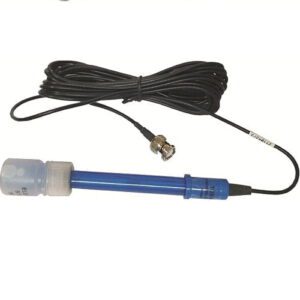
The sensor or probe condition directly affects reading stability, so care of the connected sensing element is part of maintenance even when the controller body itself is functioning correctly. That is why the the controller should always be maintained together with its sensing arrangement rather than as a standalone panel device.

Cleaning and inspection practice

Inspect the sensing point, cable path and terminations on a routine basis. If the process fluid is scaling, dirty or chemically aggressive, clean the sensing area according to the plant’s approved method and verify that the cable is not cut, pinched or exposed to unnecessary stress. Small physical issues often become process-reading issues if ignored.

Good maintenance also includes checking that the relay output is still driving the correct field device and that the operator has not altered the intended process setting. Where several panel instruments are installed together, keeping a simple maintenance log helps service teams trace issues quickly.

Maintenance checklist for the controller

  • Clean the panel face and keep the enclosure dry.
  • Inspect terminals, cable entries and probe leads for looseness or wear.
  • Check that the relay still drives the intended load correctly.
  • Review the sensing point if readings drift or become unstable.

Electrical safety and handling precautions

Before rewiring or inspecting the unit, isolate the supply and follow standard electrical safety practice. Route sensor or signal cables away from heat sources, sharp metal edges and strong electromagnetic interference. If the controller is used with pumps, solenoids or other relay-driven devices, verify load compatibility and panel protection before the system is left unattended.

The the controller supports automation, but safe commissioning still depends on proper installation, correct termination and a clear understanding of the process logic. That is especially important in industrial environments where a relay change can directly affect dosing or fluid movement.

Surrounding industrial areas and nearby buyer locations

No approved surrounding-location links were supplied for this page, so nearby buyer locations are not listed here.

For city-targeted procurement and plant support, buyers can still coordinate directly with UMA Industries in Faridabad for panel instrumentation selection and quotation.

Related products and selection path

When buyers compare panel instruments, the right choice depends on the process objective. A conductivity controller handles one relay action for EC/TDS-related control, while a meter may be better when the goal is only indication. Where a timer is needed for pulse-based or cyclic output control, a different product family may be more suitable.

For easy navigation, you can review the related options below and compare them with the the controller according to cabinet layout, control philosophy and operator workflow.

If your process needs only measurement, the TDS meter may be enough. If your process needs timed relay cycling, the dosing timer may be more suitable. If your process needs a direct threshold response, the the controller remains the most focused option.

Frequently asked questions

1) What is a the controller used for?

It is used to monitor conductivity or TDS and operate one relay when the process value crosses a chosen threshold. This is common in dosing, water treatment and industrial process control.

2) Does the controller show the value on a display?

Yes. The source specification mentions a 4-digit red LED display, which makes it easy for operators to see the process value at a glance.

3) Can the relay threshold be changed by the operator?

Yes. The source copy describes SET-button-based adjustment and saving of the relay-operation value, so the threshold can be configured during setup or commissioning.

4) Is this suitable for panel mounting?

Yes. The source dimensions of 96 × 96 × 80 mm indicate a compact panel-mounted format suited to control cabinets and instrument enclosures.

5) Is this controller useful for TDS and conductivity applications?

Yes. The source content indicates TDS and conductivity selection, so the same unit can be used where the process is described in either engineering term, subject to correct setup.

6) What power supply is required?

The source specification mentions 230 V AC ± 10%, 50 Hz single phase, so the site electrical supply should be checked before installation.

7) What kind of maintenance does it need?

Routine cleaning, secure wiring checks and probe care are the main needs. The sensor or probe condition is especially important for stable readings.

8) Can UMA Industries support buyers across India?

Yes. UMA Industries supplies and provides technical support to customers across India, and the product is manufactured at the company’s Faridabad unit.

9) How do I request the right configuration?

Share your application, process medium, control logic, panel requirement and expected installation environment so the quotation can match the the controller to the site.

10) Is the quotation flexible for project requirements?

Yes. Published prices on the website are company-confirmed, and product size, capacity, internal and external dimensions, power supply, optional controls or accessories, delivery schedule and mode of transport may be finalized or changed according to customer requirements in the quotation or proforma invoice.

Dispatch, warranty, quotation and final CTA

All products other than complete salt spray chambers are normally dispatched within 3 working days, subject to payment confirmation, product readiness, packing, destination serviceability and carrier schedules. For this controller, compact shipping and normal dispatch planning are often practical, while final transit terms still depend on order readiness and the destination service model.

Sensors, probes and connecting leads supplied with or used by the controller are not covered under warranty, so buyers should treat those items as application accessories during quotation.

Published prices on the website are company-confirmed. Product size, capacity, internal and external dimensions, power supply, optional controls/accessories, delivery schedule and mode of transport may be finalized or changed according to customer requirements in the quotation or proforma invoice.

For a quotation, installation discussion or technical selection help, contact UMA Industries at 9310530941 or 8178668698. If you need a simple, panel-friendly and industrially proven conductivity controller 1 setpoint, our team can help you shortlist the right setup for your process.

conductivity controller 1 setpoint can be finalized against the process requirement recorded in the quotation or proforma invoice.

For selection of conductivity controller 1 setpoint, buyers should confirm the application, installation point and required output before ordering.

conductivity controller 1 setpoint is supported by UMA Industries with application guidance for installation, calibration and routine operation.


Need help choosing? Call/WhatsApp us for industrial pH/ORP solutions.
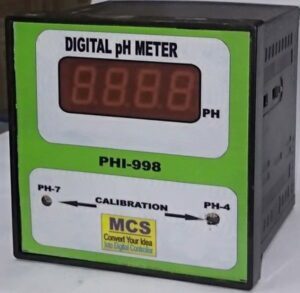

Weight500 g
Dimensions12 × 11 × 11 cm

Reviews

There are no reviews yet.

Be the first to review “Conductivity Controller 1 Setpoint Manufacturer in Faridabad”
🟢 WhatsApp Price 📞 Call Now
Scroll to Top